
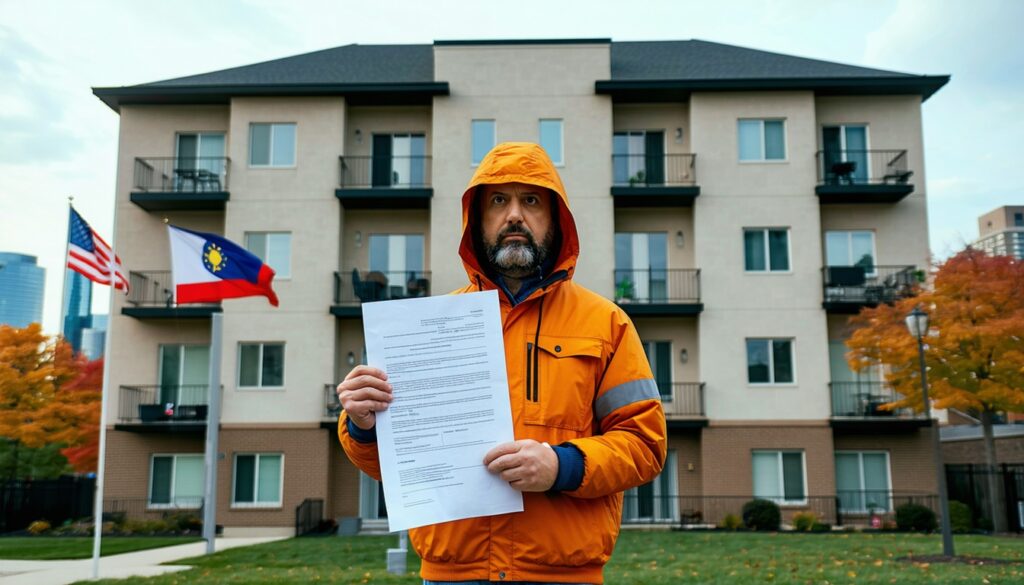
Facing eviction is no picnic, and as an Illinois resident, knowing your rights is your best defense. When that dreaded eviction notice arrives, it’s crucial to get clued up on what to do next. You see, Illinois has your back with specific laws and safeguards to ensure things roll out fairly.
I’m not talking just holding your ground but taking clear steps to shield your home. This guide will walk you through how to stop an eviction in Illinois, laying out a clear action plan. From collecting those must-have documents to getting cozy with the court system, each step will arm you with the knowledge and tools to tackle this head-on.
Whether you’re staring at an immediate threat or playing it safe, understanding the nitty-gritty processes and tapping into available resources can make a world of difference in keeping your roof firmly over your head. Stick with the outlined steps, know your options under Illinois law, and you’ll be geared up to fight for your housing rights like a pro.
- Understanding Eviction in Illinois
- Your Rights as a Tenant in Illinois
- Steps to File a Stop to an Eviction in Illinois
- Emergency Ways to Stop an Eviction
- Common Defenses to Eviction in Illinois
- How the Court Process Works
- Agencies and Resources That Can Help
- Dodging That Eviction Notice
- Frequently Asked Questions
- How much time do I have to respond to an eviction in Illinois?
- Can I stop an eviction after a court order?
- Do I need a lawyer to file a stop to an eviction?
- How long does the eviction process take in Illinois?
- Can a landlord evict me without going to court?
- What if my landlord changes the locks without notice?
Understanding Eviction in Illinois
Navigating evictions in Illinois can be pretty hair-raising for tenants. You’ve got to have a grip on the legal side of things to make sure your rights are safe and you’re doing what needs to be done. We’ll break down the eviction process, the why’s and the how’s under Illinois law, so you know what’s what and how long things take around these parts.
What an Eviction Means Under Illinois Law
So, what’s eviction all about in the Prairie State? Well, it’s legally booting a tenant out, sometimes called a “forcible entry and detainer action.” Whether it’s because you forgot the rent or committed some good ol’ lease offenses, landlords need to jump through state-law hoops before handing you the walking papers.
Legal Reasons a Landlord Can Evict You
Let’s talk shop—legit reasons your landlord might want you gone:
- Skipped out on rent? If your rent isn’t paid on time, your landlord might start drawing up eviction papers.
- Messing with the lease? Things like wrecking the place or doing anything fishy might put you on the eviction shortlist.
- Lease ended? Once your lease term finishes and you stay put without renewing, eviction could be on the horizon.
Knowing why your landlord might want you out helps you keep everything above board and the eviction squad at bay.
Eviction Notice Periods in Illinois
Illinois doesn’t just let landlords toss tenants out on their ears. They’ve got to give you a heads-up first, and how long you get depends on what’s going on:
- Didn’t pay rent: You’ve got a five-day buffer to sort things out. If you don’t, the landlord can slap you with a 5-Day Notice to either pay up or pack up.
- Broke the lease: For lease-breaking antics, you’re looking at a 10-Day Notice to Quit. That’s your window to fix things.
- Lease ran out: If your lease is done and you’re still hanging around, you’ll get a 30-Day Notice to Quit if you’re on a month-to-month deal.
By keeping these time frames in your back pocket, you’ll be a step ahead and better prepared for any curveballs related to eviction. Curious about tenant rights in these situations? Check out our rights during the eviction process for more insights.
Your Rights as a Tenant in Illinois
If you’re dealing with a possible eviction in Illinois, getting a grip on your rights is a must. Knowing the ropes during an eviction, understanding how you’re protected from illegal evictions, and what landlords can and can’t do, can really make a difference in handling the situation like a pro.
Rights During the Eviction Process
In Illinois, tenants have some solid rights while going through an eviction. Here’s the scoop:
- You’re entitled to a proper eviction notice that spells out why you’re getting evicted and how long you have to comply.
- You’ve got the right to fight back in court and share your side of the story.
- You can’t be kicked out of your pad until a judge says so, provided you stick to the legal game plan.
- You’re allowed to get yourself a lawyer to help protect your interests in court.
Getting a handle on these rights can put you in a better position and help make sure things are handled fairly.
Protections Against Unlawful Evictions
To stop the unfair booting of tenants, Illinois lays down rules against illegal evictions. Here’s what that looks like:
- Landlords can’t pull sneaky moves like changing locks, tossing your stuff, or turning off the utilities without going through the legal process.
- They have to give you a heads-up and play by the state’s rulebook for evictions.
- You get a fair shot to argue your case in court.
- If you’re wrongfully evicted, you might get some compensation or even get your place back.
Knowing these rules lets tenants stand strong and fend off evictions that aren’t above board.
What Landlords Cannot Do in Illinois
When it comes to eviction, landlords in Illinois have to follow the rules. They can’t:
- Yank you out without a court’s say-so.
- Hit back if you know your rights and speak up about things like housing code violations.
- Show bias based on who you are or what you believe.
- Evict you without good reason and the proper legal process.
Knowing what landlords shouldn’t be doing helps you spot a slip-up and deal with it accordingly.
By being up-to-speed with your tenant rights in Illinois, those protections against shifty evictions, and knowing what your landlord can’t do, you stand a better chance of holding your ground in an eviction showdown. Smarten up on the laws, maybe get some legal backup, and keep things fair and square in your corner.
Steps to File a Stop to an Eviction in Illinois
Hey there, navigating an eviction in Illinois can feel like a rollercoaster with no seatbelt, but don’t sweat it. I’ve got the inside scoop on keeping your home sweet home, and no complicated lawyer talk, I promise.
Step 1 Get Your Papers Straight, Like Yesterday
Start by bogarting every bit of paperwork you’ve got—think lease agreements, notices from the landlord, and that nasty email exchange you’ve been having. If you have it all laid out like a collection of family recipes, you’re on the right track. It’s gonna be your ammo if things get heated.
Step 2 Play Detective on Your Eviction Notice
Give that eviction notice from your landlord a good ol’ once over. Check for anything that seems fishy or doesn’t add up. Make sure it’s playing by Illinois rules about why and when they can kick you out. Spotting mistakes here is kinda like finding a $20 in your jacket pocket—you’ll be happy you looked.
Step 3 Bother the Court Clerk (Nicely)
A quick call or visit to the Clerk of the Court in your area can do wonders. They know the know about what’s what in evictions, court jargon, and stuff you gotta file. Think of them as your GPS, steering you away from legal potholes and helping you hit deadlines.
Step 4 Speak Up with an Appearance and Response
You gotta officially say, “Yo, I’m here” by filing an Appearance and Response to that eviction notice. It’s like RSVPing to a party, except this has way more at stake than free chips and salsa. Do it on time so you’re in the game and not benched.
Step 5 Ask Nicely for More Time
If you really need it, ask the court to hit the pause button on your eviction. This can buy you a little break to figure stuff out, talk things over with your landlord, or even chat with legal aid. It’s like calling a timeout when the game gets tense.
Step 6 Show Up and Show Out at Court
Finally, clear your schedule for any court dates. Skipping out isn’t an option, unless you wanna lose by default. Be present, prepared, and ready to put up a good fight with your arguments and any backup documents.
Stick to this plan, put in the effort, and stay calm. You’ve got this! Plus, there’s always help out there, whether it’s legal aid folks or handy resources ready to back you up. Nobody’s saying it’s easy, but knowledge is half the battle. Show ‘em you mean business and fight to keep what’s yours. Good luck!
Emergency Ways to Stop an Eviction
Getting hit with that eviction notice can feel like seeing the ice cream truck pass by without stopping. But hey, there are ways to throw a wrench in those gears. When you’re staring down the clock, it’s gonna be about quick thinking and moves to keep that roof over your head.
Filing an Emergency Motion
If you’ve found yourself with eviction breathing down your neck, consider filing an emergency motion with the court. It’s like raising your hand to get the teacher’s attention when things get hairy. This motion asks a judge to hit “pause” on the eviction game until everything’s aired out in more detail. Bring your A-game evidence to show why this speed bump on eviction is needed.
Seeking Temporary Restraining Orders
Think of a temporary restraining order (TRO) as a “hold it right there” sign for landlords. Grabbing a TRO means convincing a judge that if they don’t slam the brakes on the eviction, you might face harm you can’t undo. Follow the court’s playbook closely, displaying a watertight argument on why those eviction plans should stop pronto.
Requesting Help From Legal Aid Services
Feeling outgunned without the cash for a private lawyer? Legal aid services in Illinois have your back. These folks offer a helpin’ hand for free or next to nothing, provided you meet certain income rules. Their lawyers know the eviction battlefield well and can coach you on dodging eviction and exercising your tenant rights. Looking for a legal aid group in Illinois to stand by your side? Check out our guide on Illinois Legal Aid Organizations.
When you feel like you’re drowning in eviction stress, grabbing hold of legal guidance can give you a lifeline. Jump into action, latch on to these legal lifeboats, and you just might keep your eviction woes at bay long enough to get everything sorted out.
Common Defenses to Eviction in Illinois
Getting an eviction notice in Illinois can feel like the rug’s been pulled out from under you. Just know, you’ve got some cards to play. Let’s dig into a few defenses that might help you hold on to your home sweet home a bit longer.
The Landlord Didn’t Follow the Rules of the Game
A landlord must dot their i’s and cross their t’s when it comes to booting you out. They gotta give you a proper heads-up. We’re talkin’ a written notice, which tells why they want you out, how quick you’ve got to act, and your rights laid out in plain English. If the landlord skips a step or doesn’t do it right, you’ve got some powerful ammo against the eviction.
Rent is Paid or Lease Issues Were Set Right
Flash your receipts like you’re playing a game of Uno, and things might change in your favor. If you’ve caught up on rent or fixed any lease slip-ups, you’re in a better spot. Keeping a paper trail with your landlord can turn this into a solid defense.
The Eviction is a Recipe for Discrimination or Payback Pie
Illinois won’t put up with evictions done out of hate or as revenge. If you suspect you’re getting the boot because of your race, religion, gender, or because you stood up for yourself, jot down every shady move. Seek a lawyer pronto—this could give you the upper hand.
You’re Living in a Disaster Zone
Call it like it is if your place is falling apart or hazardous to your health. If it’s unfit for humans (or even rats) to live in, that’s a good reason to fight back. Snap some pics, grab reports, or call in code violations to help make your case.
With these defenses up your sleeve and a know-how of your tenant rights in Illinois, you can brace yourself for an eviction battle. It’s wise to get legal help or peek at legal aid services for backup. At the end of the day, knowledge is your best defense when it comes to keeping your place in Illinois.
How the Court Process Works
Facing eviction in Illinois? Well, it ain’t always a walk in the park—but here’s the rundown to help you get your head around it. Knowing what your eviction hearing’s gonna be like, how to ace the evidence part, and what your options are whether you win or lose really matters.
What to Expect at Your Eviction Hearing
When it’s time for your eviction hearing, you and your landlord are gonna have a showdown of sorts, each giving your two cents. The judge sits there as the referee, listening to the evidence and, if you’ve got any, witness testimony. They decide based on what Illinois landlord-tenant laws say. So, rock up like a pro with all your documents and info lined up to back you up.
How Evidence Is Presented
Evidence is kinda the secret sauce in your eviction case. Think of stuff like emails with your landlord, proof you paid rent, and any maintenance requests. Keep it neat, keep it organized. This helps show the court you’re not just all talk—you’ve got the goods to prove it.
What Happens if You Win Your Case
Hooray! If you win, the court says no dice to the eviction order and you get to stay put. So, take a breath—but don’t forget to touch base with the court to make sure the eviction order is officially in the trash can.
What Happens if You Lose Your Case
But, if you lose, here’s the rub—you’ll likely need to pack up and hit the road, all within a timeframe the court gives you. Not following the court’s orders could mean more legal hassle, as your landlord could push for the eviction to get enforced.
Knowing how the court process ticks and what might happen with your eviction case is super helpful for tenants in Illinois. Being clued in about the hearing itself, working out how to get your evidence across, and understanding what winning or losing means can make this whole legal mess a bit less of a head-scratcher. And don’t go it alone—reaching out to Illinois legal aid groups can be a lifesaver with some extra support and know-how for your case.
Agencies and Resources That Can Help
Getting the boot from your place in Illinois? Don’t sweat it, there are folks out there who’ve got your back. Check out these groups that can lend a hand when you’re up against an eviction.
Illinois Legal Aid Organizations
Sometimes cash ain’t in abundance, and that’s where the legal magic happens. Illinois boasts some ace legal aid squads who are all about helping those without deep pockets. They dish out free or cheap help for folks under the eviction hammer, ensuring you know what strings to pull legally. Legal Aid Chicago and Prairie State Legal Services are top picks for getting your eviction drama sorted—drop them a line and they’ll guide you through the mess.
Housing Counseling Agencies
These nifty agencies are like your eviction GPS. They clue you in on what’s what and who’s who when the landlord knocks with bad news. They dish out tips on dodging eviction, haggling with landlords, and where to find housing help. Groups like the Illinois Housing Development Authority (IHDA) and HUD-approved agencies are your go-to for some top-notch tenant advice.
Government Housing Programs
The government ain’t just good for tax forms—they’ve got bags of cash and programs to help folks on the brink of eviction. With programs like the Illinois Rental Payment Program (ILRPP) and Emergency Rental Assistance Program (ERAP), there’s financial aid galore if you meet the criteria. It’s worth peeking at these programs to steady your rent woes and dodge homelessness.
Don’t go it alone when eviction knocks at your door. Illinois legal aid wizards, housing gurus, and government programs are ready to arm you with all you need to steer clear of eviction. Dive in, snag the help available, and stand tall to protect what’s yours—your home.
Dodging That Eviction Notice
Alright, folks, nobody likes a surprise eviction. To keep your home sweet home intact, here’s how you can skate through the dicey parts of tenancy. These are not secret hacks – just good ol’ common sense with a pinch of savvy landlord chatting.
Have a Chat with Your Landlord
Let’s face it: talking it out can work wonders. Can’t swing the rent just yet? Maybe that leaky faucet is getting on your nerves. Whatever it is, a little heart-to-heart with the landlord can lead to a win-win scenario. You’d be surprised what changes a friendly chat can stir up, like moving around due dates or making those repairs. Keeping things kosher with the landlord can be worth its weight in gold.
Making Payment Plans
When money gets funny and you’re at risk of eviction, pulling together a payment plan is your go-to move. Lay out a roadmap for tackling those rent debts – it’s all about keeping it real and sticking to the plan. Jot down every payment like a pro, and you’ll own that balance back to zero in no time.
| Month | Rent ($) | Paid ($) | Owes ($) |
|---|---|---|---|
| Jan | 1000 | 800 | 200 |
| Feb | 1000 | 900 | 100 |
| Mar | 1000 | 1000 | 0 |
Know Your Lease Like the Back of Your Hand
Got a lease? Great! Now, get familiar with it like it’s a best buddy. Knowing what’s what in your lease moves you from “Oops, didn’t know!” to “Got this.”. Paying rent on time is only part of the gig; keeping the place up and respecting those quirky house rules rounds up the whole deal. If something’s foggy, reach out to the landlord for the 411.
These pointers – yakking with the landlord, crafting payment plans, and respecting your lease – give you standing guard against that dreaded eviction letter. Stay ahead by communicating issues ASAP and owning your role as a tenant. If you hit a wall and need legal mojo, pop over to Illinois Legal Aid Organizations for a shoulder to lean on.
Frequently Asked Questions
Here are some things folks tend to ask about getting evicted in Illinois:
How much time do I have to respond to an eviction in Illinois?
In Illinois, once you get that eviction notice, the clock starts ticking. The time you have to respond depends on why you’re being evicted and what type it is. So, don’t sit on it—get moving! A lawyer can help make sure you meet all those deadlines.
Can I stop an eviction after a court order?
Stopping an eviction after the judge says ‘out you go’ isn’t easy, but it ain’t impossible either. You might still find a legal way to pause or stop it, like appealing the decision or asking for a delay. Another option could be chatting with your landlord and working something out.
Do I need a lawyer to file a stop to an eviction?
You’re not required to have a lawyer when dealing with an eviction in Illinois, but having one could really boost your chances. Lawyers know the ropes, can represent you in court, and explain your rights.
How long does the eviction process take in Illinois?
The eviction process in Illinois is like waiting for a pot to boil—it depends. It could be weeks or it could be months, influenced by the type of eviction, scheduling, and how tricky the case is. Staying in the loop and getting legal advice helps you handle it smoothly.
Can a landlord evict me without going to court?
Nope, in Illinois landlords need to do it by the book, meaning they must get a court order. Kicking someone out without this is a big no-no and against the law. If your landlord’s trying to skip the legal process, it’s time to call in the legal cavalry.
What if my landlord changes the locks without notice?
A landlord playing lock-and-switch without notice or a court say-so? That’s an illegal eviction right there. There’s a right way to evict tenants, and this ain’t it. If you find yourself locked out, round up some legal help to tackle this head-on.
Knowing the eviction ropes and your rights as a tenant in Illinois can help you ride through any bumps. For any hoodoo around eviction, having a chat with legal pros or tenant advocates can protect your rights every step of the way.

How a brain injury attorney in Waukegan helps with recovery

Why workers compensation lawyers in Waukegan protect employees

How car accident lawyers in Waukegan help victims recover

How an auto accident attorney in Waukegan helps after collisions

How a workers compensation attorney in Waukegan IL supports workers