

Living in California, dealing with legal stuff can feel like navigating a maze, especially when you’re trying to tackle diminished value claims after an accident. Knowing your rights and the ins and outs of the legal system is key to making sure you get what’s fair for your car’s decreased value.
If you’ve been in an accident in Cali, your car might lose some of its worth even after you’ve paid for repairs. It’s crucial to understand the various diminished value types that can mess with your claim and how local laws back you up.
To get your rightful payoff, wrapping your head around California diminished value claims is a must. From filing that claim to hammering out a solid settlement, and figuring out how diminished value plays into owning a car, this handy guide’s got you covered—think of it as your legal GPS through the tangled web of this stuff.
I’m here to help you get a grip on asserting your rights in a diminished value claim in California. Whether it’s chasing the bucks for instant, inherent, or repair-related value drops, knowing the steps and what you might expect can be vital in getting the justice you deserve.
Stick with me as we dig into the nitty-gritty of diminished value claims in California, checking out the legal details, claim procedures, crunching numbers for value loss, cutting deals, and busting some myths. As we trek through this, I’m hoping to give you the know-how and confidence to handle these tricky claims like a pro.
- What Is a Diminished Value Claim in California
- Types of Diminished Value You Can Claim
- How to File a Diminished Value Claim in California
- How to Calculate Diminished Value in California
- Who Pays for the Diminished Value in California
- Mistakes to Avoid When Filing a Diminished Value Claim
- How to Write a Demand Letter for a Diminished Value Claim
- Negotiating a Fair Diminished Value Settlement
- Diminished Value for Special Situations
- How Diminished Value Impacts Carfax and Resale
- FAQs About Diminished Value Claims in California
What Is a Diminished Value Claim in California
Ever banged up your car in the Golden State and wondered why it’s not quite worth what it used to be, even after bringing it back from the brink at the local body shop? That’s where a diminished value claim creeps in. It’s all about getting a few bucks back for the loss in your ride’s street value post-tango with another vehicle or a fender-bender.
Understanding Diminished Value After an Accident
Here’s what you gotta know: diminished value is the gap between what your car was worth cruising down Sunset Boulevard pre-accident and its worth now, post-repair. That crash history lingers like a bad hangover, and potential buyers might be thinking twice even if your whip looks as fresh as a daisy.
Why Your Car Loses Value Even After Repairs
So, why the drop in greenbacks? First off, some folks just get a bit itchy buying a car that’s had a run-in with trouble—even if it’s been restored better than ever. They worry about reliability or if that bumper didn’t quite bounce back to its prime. And let’s face it, nobody wants to drop cash on a ride with a scarred history—whether it’s the chassis or just word of mouth doing the damage.
Does California Law Support Diminished Value Claims?
Lucky for Californian drivers, the law here has your back under certain conditions. It acknowledges that the wallet takes a hit when your vehicle takes a reduction in shine—and it opens the gate for you to claim some cash for that lost value. Knowing how this plays out legally can make or break your bid to get what’s rightfully yours.
Curious about how to file those diminished value claims or wrangle a fair deal? Be sure to check out our full guide on California diminished value claims.
Types of Diminished Value You Can Claim
If you find yourself needing to tackle a diminished value claim in California, knowing the kinds you can claim makes all the difference. You might face immediate diminished value, stigma or inherent diminished value, and repair-related diminished value. Each has its own quirks and setbacks, so understanding them is key.
Immediate Diminished Value
With immediate diminished value, it’s like a slap to your car’s resale price the moment after an accident. Even once it’s tidied up and looking spiffy, potential buyers know it’s been through a bit of a tumble. It’s no surprise really – just knowing a car’s been in an accident makes it drop a few points on the marketability scale.
Inherent or Stigma Diminished Value
Inherent or stigma diminished value? It’s about the “bad vibes” a car can’t shake off. Even if that fender bender is but a distant memory repaired to perfection, buyers could still side-eye it. They just see accidents written all over it and that’s a tough sell. Those cool, unbruised counterparts are still more appealing in the marketplace.
Repair-Related Diminished Value
Then there’s repair-related diminished value. Think of it like a botched haircut – you had it fixed but it’s far from flawless. If the repairs aren’t top tier or if there’s a mismatch between the ‘before’ and ‘after’ condition, the car’s value takes a hit. It boils down to whether those fixes put it back in mint condition and how that holds up under the market’s scrutiny.
Getting your head around these types of diminished value is key when prepping your claim in California. Arm yourself with the right papers and proof to back up your case and make your bid count.
Need a hand navigating through the ins and outs of filing a diminished value claim in California? Take a look at our guide on how to file a diminished value claim in California for some straight-up advice.
How to File a Diminished Value Claim in California
Dealing with a diminished value claim in California requires some patience and know-how. You want to make sure you’re on the right track, with all the i’s dotted and t’s crossed. Let’s break it down to make it easier.
Step-by-Step Claim Process
Size Up the Damage: First off, take a good look at your car’s damage to figure out how its value has been affected. This bit is just to help you get a sense of how the accident hit your car’s worth.
Talk to Your Insurance Company: Get your insurance on the line to spill the beans about the accident and how it’s impacted your car’s value. They’ll tell you what to do next.
Round Up Your Papers: Gather everything you’ll need, like the accident report, repair bills, and photos of the damage. Basically, anything that backs up your story.
Get an Expert Opinion: You might want to bring in an appraiser to put a number on your car’s loss in value. Their insight can be a game changer when proving your point.
File Your Claim: Send off your paperwork, including all the back-up stuff you’ve collected, to your insurance. Also, be ready to chat if they want more info.
Documents You Need to Support Your Case
Have these papers ready to show that your claim is legit:
| Document | Purpose |
|---|---|
| Accident Report | Details of what went down and when |
| Repair Receipts | Shows you fixed up your ride |
| Diminished Value Appraisal | The pro’s take on what your car’s now worth |
| Photographs | Pictures say a thousand words about the damage |
| Correspondence | Letters or emails with the insurance folks |
Timeline for Filing Your Claim
Timing is everything in making sure your claim goes through without a hitch in California:
- Report the Accident: Call up your insurance ASAP after the accident to kick off the whole process.
- Get Repairs Done: Once you’ve assessed things, get your car fixed up.
- Compile Your Documents: Make sure you have receipts and any appraisals ready to go.
- File Your Claim: Don’t dawdle—submit all your paperwork pretty soon after fixing your car. A speedy submission can speed up the whole process.
By sticking to these steps and laying out your documents when they’re needed, you’ll find yourself in a good spot to file a diminished value claim in California. For more on figuring out how much your car’s value dropped or how to haggle for a fair payout, check out other parts of this guide.
How to Calculate Diminished Value in California
Figuring out how much your car’s value took a hit after a fender-bender in California doesn’t have to be a headache. I’ve got an easy formula to estimate the dip in worth, plus an example to walk you through the process. Additionally, I’ll talk about the pros and cons of getting a pro to appraise versus handling it yourself.
Simple Formula You Can Use
To figure out the diminished value in California, use this no-fuss formula:
[ Diminished Value = (Vehicle Value Before Accident) – (Vehicle Value After Repairs) ]
This formula is pretty straightforward: subtract what the car’s worth after all those repairs from what it was worth before the accident. That’s your diminished value—basically, the amount you might be able to claim.
Example Calculation
Let’s say your car was worth $20,000 before someone rear-ended you. After getting it patched up, the value you could sell it for drops to $17,500 because people aren’t thrilled over buying a car that’s been in an accident. So, using our handy formula:
[ Diminished Value = $20,000 – $17,500 = $2,500 ]
Boom, there you go. You’re looking at a diminished value of $2,500.
Professional Appraisals vs DIY Estimates
Now, you’ve got two ways to nail down that diminished value number: hire a pro or tackle it on your own.
Professional Appraisals: Bring in a certified appraiser who can give your ride a thorough once-over. They get into the nitty-gritty details like how bad the damage really was, how good the repairs are, and what the market’s currently saying. It costs a bit more, but their word often carries more clout with insurance folks.
DIY Estimates: If you want to go the home-grown route, there are online tools that can help you out. They’re light on the wallet but might not be as spot-on as the pros. Still, they can give you something to chat about with your insurance adjuster.
Getting the lowdown on how to calculate the diminished value in California helps you call the shots when you’re dealing with a claim. Use the formula, walk through some examples, and weigh the benefits of getting a professional appraisal versus just doing it yourself. Don’t forget, getting legal advice from a California accident lawyer can also help make sure you’re on the right track with those diminished value claims.
Who Pays for the Diminished Value in California
Figuring out who covers diminished value in California can be a bit like finding a needle in a haystack, depending on what went down during the accident. Getting the lowdown on how these claims shake out with insurance can make the process smoother.
At-Fault Party’s Insurance
Usually, if someone else messes up and crashes into you, their insurance should cough up for the dip in your car’s worth after the accident. Basically, if another driver is to blame, their insurance takes the hit for this part of your claim. Make sure you’ve got all your ducks in a row with paperwork and evidence to back up your claim when dealing with their insurance folks.
When Your Own Insurance May Not Help
Sometimes, you might hit a wall with your own policy on diminished value. Say you’re the one who ran that red light or if you just have liability coverage, your insurance might not shell out for diminished value. Scoping out your policy details and understanding what your insurer actually covers is key to figuring out if you can get any cash from your own end of the deal.
Do All Insurers Pay Diminished Value (GEICO, Progressive, State Farm, etc.)
Insurance companies don’t always play ball the same way with diminished value claims. A few like GEICO, Progressive, or State Farm might be quicker to settle without dragging their feet, while others might make you jump through hoops. Ready your game plan to push for your rightful claim, and don’t back down, no matter who’s on the other end of that phone. Sometimes, roping in a savvy attorney who’s got a knack for these kinds of claims can be a lifesaver, especially since dealing with insurance companies can feel like swimming upstream.
Snagging compensation for diminished value in California can feel like a slog, but knowing your rights and how to finagle your insurance coverage is half the battle. By working out who’s supposed to pay up for diminished value, you can go full steam ahead in chasing down fair compensation for your car’s decrease in worth post-crash.
Mistakes to Avoid When Filing a Diminished Value Claim
Filing a diminished value claim in California isn’t as simple as pie. The twists and turns can throw you off your game if you’re not careful. If you know what pitfalls to dodge and how to handle the lowball offers that might come your way, you’re more likely to get what you deserve. And trust me, knowing what not to blurt out to the insurance folks can really turn the tide.
Common Missteps That Could Cost You
When you’re knee-deep in a diminished value claim, here are some tripwires you need to sidestep:
| Mistake | Impact |
|---|---|
| Ignoring the need for solid evidence | Your claim might not hold water |
| Misjudging your car’s worth post-accident | Expect to get lowballed on your settlement |
| Missing that crucial filing deadline | They’ll toss your claim out faster than you think |
| Skipping on legal help | You might end up fighting a losing battle |
Keep these blunders in your rearview mirror, and you’ll be steering your claim toward a win.
How to Respond to a Low Settlement Offer
Getting a puny offer from the insurance company? I get it—it’s like getting a lump of coal for your birthday. But don’t fly off the handle. Here’s a smarter way to deal with it:
- Give It a Once-Over: Tear that offer apart, piece by piece. Know what’s in it and what’s not.
- Build Your Case: Arm yourself with repair bills, history of your ride, and what similar rides are fetching.
- Negotiate Like You Mean It: Pitch your counteroffer like you’re selling a million-dollar idea. Use facts, not feelings.
- Get Backup: If they won’t budge, get a California accident lawyer onboard who knows the ropes.
Staying sharp and on your toes could turn things around and get you a deal that doesn’t make you wince.
What Not to Say to the Insurance Adjuster
You’re gonna talk to the insurance adjuster whether you like it or not. But what comes out of your mouth can make or break your claim. Here’s your brush-up on what to zip your lips about:
- Never confess to anything that puts the accident on you.
- Cut the chatter; too much info can backfire.
- Look before you leap—don’t sign papers without knowing the nitty-gritty.
- Tread carefully when talking about how banged-up you or your car got.
Keeping your cards close to your chest might just keep your claim from going belly-up.
How to Write a Demand Letter for a Diminished Value Claim
Ready to get that car’s value back up? Great! Drafting a demand letter is your first step in recovering funds for your vehicle’s loss in worth after an accident in California. This letter is your official claim for some coin from the insurance folks. Let’s break it down on what to jot down in your demand letter, give you a handy template, and figure out the best person to send it to.
What to Include in Your Letter
Introduction: Kick things off by addressing the insurance folks or whoever’s responsible, and make it known that you’re looking for some payback for your car’s plummet in value.
Incident Details: Throw in a short and sweet recap of the accident – when it happened, where, and who was in the mix.
Diminished Value Calculation: Keep it straight: show how you came up with the number for your car’s lost value. Need some pointers? Check our piece on how to calculate diminished value in California.
Supporting Documentation: Secure your claim with backup. Think repair bills, snapshots of the damage, and those appraiser opinions.
Demand for Compensation: Lay it out clearly how much you’re asking for. Firm, but don’t go overboard – make it clear you mean business.
Deadline: Pick a reasonable date line for when you expect to hear back. This nudges them to move it along efficiently.
Free Demand Letter Template
Here’s a straightforward template for your demand letter concerning your vehicle’s lost value claim:
[Your Name]
[Your Address]
[City, State, Zip Code]
[Email Address]
[Phone Number]

[Date]

[Recipient's Name]
[Insurance Company or Responsible Party]
[Address]
[City, State, Zip Code]

Subject: Demand for Diminished Value Compensation

Dear [Recipient's Name],

I'm reaching out to formally ask for compensation due to my car losing value after [a brief explanation of the accident]. This all went down on [date] at [location], involving [the people tied to the incident].

Post [repairs or evaluation], my car's devalued amount was nailed down to [amount]. Attached are the needed papers like repair bills and appraisal estimates for you to see.

I'm asking for [specific amount] as fair compensation for this loss. Please get back to me within [timeline] days from this letter’s date.

Thanks for jumping on this ASAP. I hope we can sort it out swiftly.

Sincerely,

[Your Name]
Where to Send the Letter and What to Expect
Got your demand letter written up? Sweet! Make sure it lands in the right hands. Shoot it over to the claims department of the right insurance spot or whoever’s responsible, ensuring it lands with someone who can make decisions.
Now, once your letter hits their desks, you should hear back within the deadline you gave them. They might agree to your asking price, or they’ll throw a counteroffer. You need to be ready to play a little back-and-forth to land an offer that feels right.
By sticking to this guide and using the template, you’ll communicate your compensation needs effectively and take key steps to secure a win for your diminished value claim in California.
Negotiating a Fair Diminished Value Settlement
Getting through a diminished value settlement in California can feel like you’re in a maze. But don’t worry; I’ve got some straightforward advice for talking with insurers, deciding if you need a lawyer, and understanding just how long this whole deal might take.
Tips for Talking to Insurance Companies
When you’re chatting with insurance folks about your diminished value claim, confidence is your best friend. Here’s how to keep your cool and get your point across:
- Gather Your Arsenal: Round up anything that proves your point—repair bills, photos, and any value appraisals you have lying around.
- Know Your Rights: Brush up on California’s rules about diminished value claims. Being informed helps you stand your ground.
- Stay Cool: Keep it calm and professional, even if things get frustrating. Clear communication is key.
- Speak Up: Ask questions if something doesn’t make sense. Don’t let confusion hold you back.
- Law Backup: If things get tricky, consider getting a lawyer who knows this stuff inside out. They can be a real lifesaver when minds don’t meet.
When to Get Legal Help
Sometimes, it feels like you’re hitting a wall, and that’s when a lawyer becomes your best bet. Here’s when you might wanna call in the pros:
- Argument City: If your claim is shot down or the offer feels like pennies, a lawyer can get you the attention you need.
- Talking to a Wall: If the insurance company ghosts you, a lawyer can shake things up.
- Legal Maze: If there are big damages or several fingers in the pie, legal help can guide you through it.
- Mo’ Money: A lawyer might get you more than you ever could alone by pinpointing your claim’s worth and fighting for it.
Still unsure if a lawyer’s necessary for your situation? Talk to a trusted California accident lawyer who can give you the lowdown.
How Long the Process Usually Takes
The waiting game can be the toughest part. Here’s the typical timeline you’re looking at for a diminished value settlement in California:
Kickoff: Post-accident, shoot your claim over to the at-fault party’s insurance.
Claim Check: They’ll take a look, compare damage docs, and figure out how much they’re responsible for paying.
Haggling Begins: If there’s a mismatch in what you’re asking and what they’re offering, you enter the tug-of-war stage of negotiation.
Final Deal: Once both sides agree, voilà! You’re awarded your compensation.
The whole shebang can take from a couple of weeks to a few months. It all hinges on case complexity and how everyone plays ball. Keep those lines of communication buzzing, stay clued into your rights, and don’t be afraid to lawyer up if it helps speed things along.
Tackling these steps makes getting a decent diminished value settlement possible. Stay sharp, know when to bring in the pros, and stick up for what’s yours.
Diminished Value for Special Situations
Let’s get into the nitty-gritty of diminished value claims in California. Sometimes, things aren’t as straightforward as we’d like, especially when special situations pop up. Here’s what you should know:
Can You Claim Diminished Value on a Leased Car?
So, you’ve leased a car in California, and then—bam! It gets dinged. You’re probably thinking, “Can I claim diminished value here?” Well, thank goodness; the rules for leased cars are similar to those for cars you own outright. Here’s the scoop: the leasing company might get involved with your insurance discussions. Make sure you’re combing through that lease agreement, and for peace of mind, chat with some legal folks, perhaps those California accident experts, to keep yourself in the know about what you can actually do.
What If Your Vehicle Was a Total Loss?
You’ve got a totaled car on your hands. Ouch! You might think your chance to claim diminished value has gone up in smoke. Not necessarily! Even in cases of total loss, there’s room to wrangle with insurance over diminished value. The math might be different, but it’s still worth hashing out. Talking to someone who speaks fluently in the language of car insurance claims can shine a light on what’s possible, even in seemingly lost causes.
How Diminished Value Affects Trade-Ins and Lease Returns
Picture this: you’re about to trade or return a leased car. But that fender bender from last summer still haunts your car’s value like an unwelcome ghost. Even if it’s been repaired, previous damage can choke your car’s trade-in or lease appeal. Before you walk into the dealership, know your stuff: could diminished value still trip you up? And what can you do about it? A sit-down with legal experts who understand diminished value is probably a smart play to keep your wallet a little thicker.
In wrapping your head around all this diminished value mumbo-jumbo, you’re better set to dodge big losses, whether it’s for a leased ride, a totalled car, or a trade-in deal. Having legal eagles in your corner, ones schooled in California’s rules for diminished value claims, can be the difference between a fair handshake and a big ‘ol mess.
How Diminished Value Impacts Carfax and Resale
Knowing how diminished value claims can mess with Carfax reports and your car’s resale value is a big deal if you’ve been in a fender bender in California. This stuff goes beyond fixing dents and scratches—it’s about how people view your car long after the repairs are done.
Will Carfax Spill the Beans?
Carfax reports dish out all the dirt on your ride, including any accidents it’s been in. If your car has taken a hit and you’ve filed for diminished value, expect that info to show up loud and clear on the Carfax report. Even if the body shop works magic on your car, just knowing a claim was made can lower what folks think your car is worth. Trust me, future buyers or dealers will eyeball that history, and it might throw a wrench in your resale plans.
How Dealers See Banged-Up Rides
Dealers aren’t about to let anything slip by—they check every nook and cranny and dive into Carfax reports for any car they might sell. If your car’s got a track record of fender benders and diminished value claims, they might slap a lower price tag on it for trade-ins or resales. The worry about buying a car that’s seen some action can push the resale value down, even if it’s in tip-top shape post-fix-up.
Moving a Car With a Spooky Past
Trying to sell a car with a diminished value history is like swimming against the tide. Buyers tend to raise an eyebrow at cars with a past full of dings and diminished value claims, which can throw a curveball in selling. Honesty truly is the best policy here; lay it out for potential buyers with all the paperwork on what happened and how, showing them what was fixed and how the value was assessed to ease their minds.
Getting a grip on how diminished value dances through Carfax reports and nags at resale value is key if you’re dealing with post-accident blues in California. By keeping tabs on how this can affect your car’s backstory and worth, you can steer your way through repairs, sales, and chats with buyers like a pro.
FAQs About Diminished Value Claims in California
Sorting out all the tangled wires of diminished value claims in California can leave you with a bunch of “what now?” moments. Let’s tackle some of the questions that often pop up:
Is Diminished Value Taxable?
Good news! The IRS usually doesn’t treat diminished value settlements as income you’d need to fork over taxes for. Still, it never hurts to chat with a tax expert to keep everything straight with California’s number crunchers.
Will a Small Fender Bender Affect My Car’s Value?
Yeah, even a tiny little ding like a fender bender can mess with your car’s value. Some folks will see your car’s history of repairs and hit the pause button, thinking it’s not worth as much—even if it’s just a scratch you buffed out.
Can You Claim Diminished Value Without a Police Report?
Sure, a police report is like an ace up your sleeve, but you don’t always need it. You can still file a claim by backing it up with repair bills, those before-and-after photos, and maybe even some good-old witness testimonies.
What If the Other Driver Was Uninsured?
If the responsible party is driving without insurance, you’re looking at a stickier situation. However, teaming up with a sharp California lawyer who knows the ins and outs of diminished value claims can help you scrounge up some more options for getting paid.
Grasping these bits about diminished value claims in California arms you with the know-how you need to handle the process smoothly. If you hit any bumps or start feeling a bit lost, it might be smart to get advice from a legal eagle specializing in California accident law to make sure everything is kosher.

Why Should You Hire a Personal Injury Lawyer in Stockton
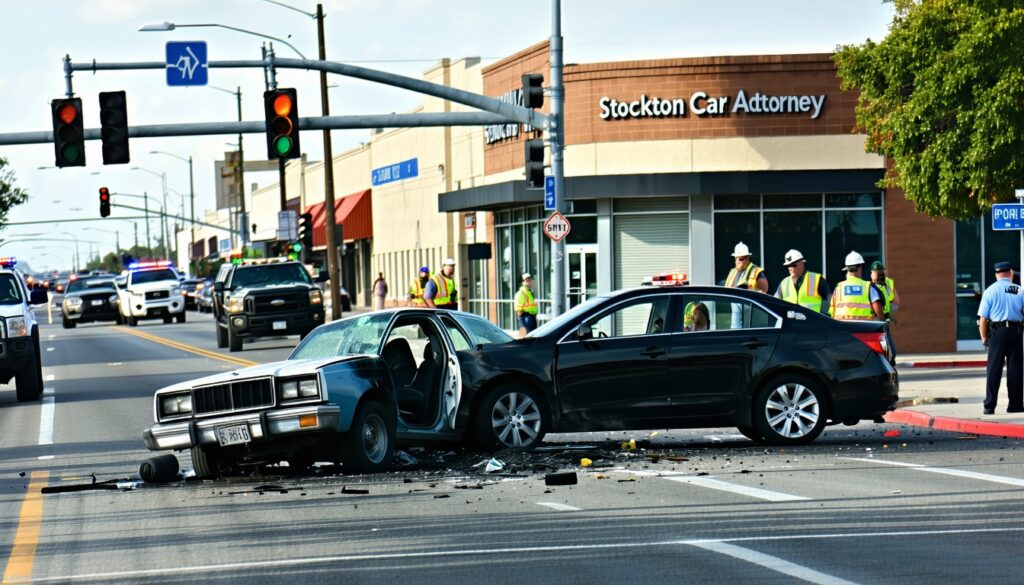
How Can a Stockton Car Accident Attorney Help After a Crash

What Services Does a Family Law Attorney in Stockton Provide

How Can a Criminal Defense Attorney in Stockton Defend Your Rights
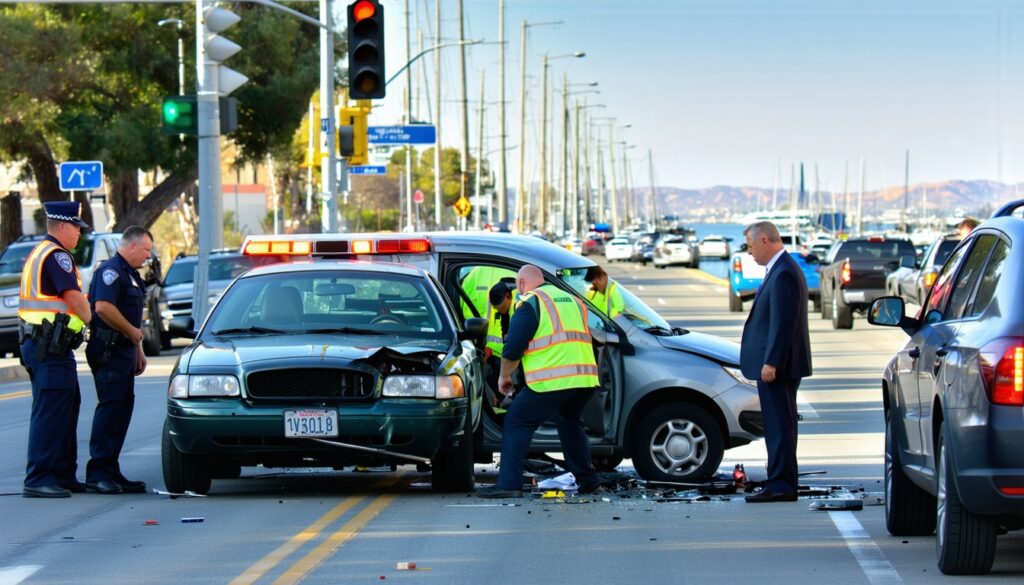
What Can a Car Accident Lawyer in Stockton Do for You