
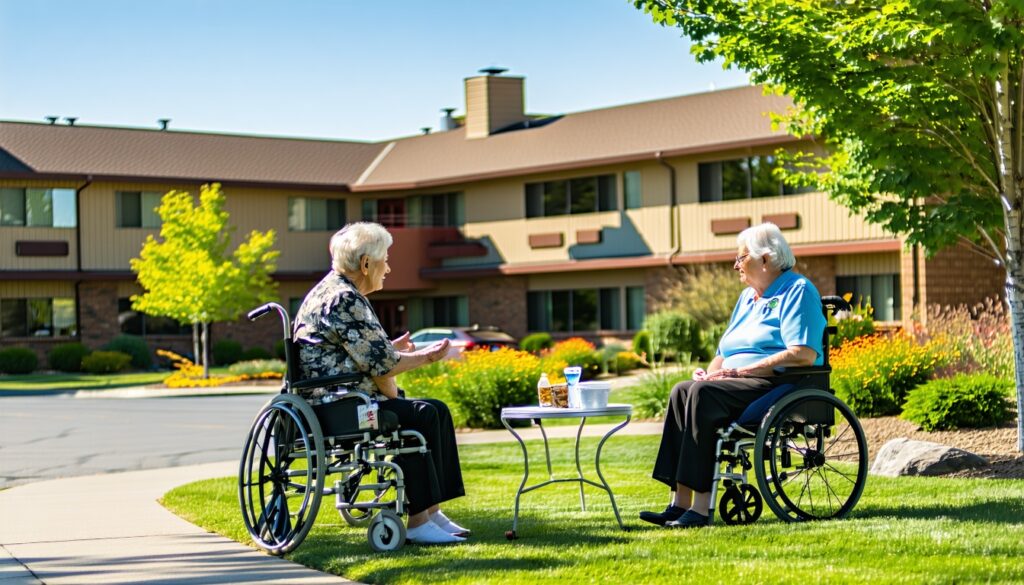
Living in Boise, Idaho, means that dealing with legal stuff can be tricky, especially if it involves nursing home abuse. If you or someone you know is tangled up in that kind of mess, getting help from a solid nursing home abuse lawyer in Boise is the way to go. It’s all about making sure our elderly loved ones are safe and sound.
In this article, I’ll chat about why having legal backup matters when tackling nursing home abuse cases. We’ll dive into knowing what rights folks in nursing homes have, why having a lawyer on board is a game-changer, and what to do if something fishy is going on. It’s all about having the knowledge to stand up for our seniors here in Boise.
By looking at what goes on with nursing home abuse and how skilled lawyers can lend a hand, people in Boise can get a grip on how to push for what’s right and keep our older family members from harm. For all-in guidance and help figuring out nursing home abuse stuff, getting in touch with a seasoned nursing home abuse lawyer in Boise is your main move towards securing justice and protecting those who need it most.
Understanding Nursing Home Abuse
Let’s dive into a topic that’s nobody’s favorite but super important: nursing home abuse. Knowing what this ugliness looks like, especially in Idaho, and spotting signs early on are your best bets for keeping grandma safe.
What Constitutes Nursing Home Abuse
So, what counts as nursing home abuse? It’s any kind of bad treatment older folks get in care places. That could mean someone is hurting them physically, messing with them emotionally, taking their cash, or just plain ignoring their needs. Basically, it’s the nasty stuff that strips them of their dignity and rights.
Picking up on these warning signs fast means you can jump in and stop things before they get worse. Understanding what abuse looks like helps families and caregivers step in and do what’s needed to keep their loved ones safe.
Common Types of Abuse in Idaho Facilities
In Idaho facilities, there are a few types of elder abuse you might see:
- Physical Abuse: This is when someone uses force and leaves the elderly person hurt or in pain.
- Emotional Abuse: Making someone feel scared or stressed out through words and actions.
- Financial Exploitation: Sneakily using an elder’s money or stuff to get rich quick.
- Neglect: Neglect happens when someone isn’t doing their job caring, leading to harm.
- Sexual Abuse: Any unwanted touching or behavior of a sexual nature.
Knowing these forms of abuse helps you recognize trouble and act fast if something seems off.
Signs and Symptoms of Elder Abuse
Notice any sudden bruises or mood swings with your loved one? These could be red flags that something’s wrong:
- Weird injuries or bruises that don’t have a good story.
- Drastic changes in behavior, tunes like they’re down or jumpy.
- Cutting off from family or friends.
- Funny money business, like checks disappearing.
- Unclean clothes or dirty living space.
Paying attention to these signs can be a lifesaver. If you think there’s trouble, don’t wait. Get help fast. Each minute counts when it comes to the well-being of someone you love.
For more on how to get legal help if you think there’s nursing home abuse going on, check out our guide on how a nursing home abuse attorney can help.
Legal Rights of Nursing Home Residents
So, you’ve got a loved one in a nursing home in Boise, Idaho, and you’re wondering what rights they have. You should know there’s a solid set of laws here and across the U.S. aimed at looking out for seniors in these facilities. When things go wrong, like abuse or neglect, these laws take center stage to protect elderly residents from injustice.
Idaho Laws Protecting Seniors
In Idaho, there are specific rules in place to ensure nursing homes treat seniors right. These laws spell out what care should look like, making sure residents are treated with respect and kept safe. If you get familiar with these policies, you’re in a better spot to watch over your loved ones and keep the facilities on their toes about staying in line.
Residents’ Rights in Care Facilities
People living in nursing homes have rights that are set in stone by both Uncle Sam and the state. They’ve got the right to good care, respect, a bit of privacy, and being able to call the shots on personal matters. If you’re a family member or caregiver, knowing these rights is like having a cheat sheet for making sure your folks get treated right and receive what they’re due.
How Abuse Violates State and Federal Law
Abuse in nursing homes isn’t just a breach of trust, it’s against the law, plain and simple. When residents suffer physically, emotionally, or financially, that’s a smack in the face of the rights they’ve been granted. Spotting these abuse signs and knowing how they break the laws is crucial, so you can step in and set things straight pronto.
Having a handle on nursing home residents’ legal rights is like turning the lights on in a dim room. Being clued up about Idaho’s specific senior protections, the rights residents hold, and understanding how abuse butts heads with the law means you’re ready to fight the good fight for your loved ones. If something feels off or you catch a whiff of neglect, jump on it fast to keep these vulnerable folks safe and treated with the decency they deserve.
How a Nursing Home Abuse Attorney Can Help
When it’s time to deal with the awful reality of nursing home abuse, getting a good nursing home abuse attorney in your corner is key to looking after your loved ones. Let’s take a look at the many ways an attorney can step in and make a difference.
Looking Into the Details
A nursing home abuse attorney’s top job is to dig into claims of neglect or harm with a fine-tooth comb. They’ll chat with witnesses, pore over medical reports, and check out how the place operates. Thoroughly piecing together these details helps the attorney to create a solid case to stand up for those who’ve been wronged.
Getting the Ball Rolling with a Lawsuit
If maltreatment is confirmed, the attorney will steer you through the process of suing for damages. This might mean seeking payment for medical bills or emotional trauma among other impacts from abuse. Bringing the suit is all about making those responsible pay for their deeds.
Working Out Deals with Facilities
Sometimes, these situations can be ironed out without going to court. A savvy attorney can steer talks with the facility or their reps to nail down a settlement that’s fair. This could mean hashing out compensation or making sure the nursing home ramps up its standards to nip future abuses in the bud.
Standing Up for Families in Court
If it gets to the point where court is unavoidable, the attorney’s role becomes even more critical, standing up for the affected families in the courtroom. Armed with deep knowledge of elder abuse laws, they’ll put forward a strong case to fight for victims’ rights. Their aim? To secure a verdict that saves the day.
Dealing with the mess of nursing home abuse cases isn’t a walk in the park. With a committed attorney, families can fight back and protect loved ones. If any suspicion of mistreatment crops up, taking quick, decisive action to get legal help is essential to preserve the rights and self-respect of older folks.
Steps to Take If You Suspect Abuse
If you think a loved one in a nursing home is being mistreated or neglected, it’s time to jump into action—right away. Here’s a play-by-play of what to do if you suspect abuse:
Documenting Evidence and Incidents
Step one: grab a notebook, or your phone’s note app, and start covering all bases. You’re the detective now. Jot down every strange thing you notice, complete with dates, times, and details of shady happenings. If there’s visible injury, snap some photos. Check for any alarming conditions around the nursing home. This stuff is your ace in the hole when presenting a case against the facility or staff who might be the culprits.
Reporting Abuse to Authorities
After you’ve got some groundwork laid with your notes and photos, reach out to the folks who can officially step in. Call up the Idaho Department of Health and Welfare or Adult Protective Services to file a report and kick off an investigation. Reporting what you suspect is not just about justice but about sorting things quickly to shield your loved one and hold the responsible party to account.
Protecting Your Loved One During Legal Action
Legal proceedings can take time, so the priority is to get your loved one outta dodge. Find them a short-term safe haven and connect them with healthcare experts for any physical or emotional wounds that need healing.
Getting the help of a solid nursing home abuse attorney will be key. This expert can toss legal advice your way and stand up for your loved one in court. When on the hunt for a nursing home abuse attorney in Boise, peek into their experience and local chops in cases like these. This hustle will help navigate the tricky waters and aim for justice and any compensation deserved for the hardship endured.
Proving Negligence and Liability
Getting to the bottom of nursing home abuse is about shining a light on negligence and holding the guilty parties accountable. These facilities owe residents safety and care, no ifs, ands, or buts. Let’s dig into how lawyers expose negligence, handle the sneaky defenses nursing homes try to pull, and make use of medical records and witnesses to support a case.
How Attorneys Prove Facility Negligence
Attorneys play detective, zooming in on the nursing home’s daily ops. They check out staff training routines, poke into the nursing home’s compliance with the law, assess if residents’ care needs go ignored, and dig up dirt on past complaints or sketchy incidents. When lawyers showcase these failures, they’ve got what they need to cry foul on the nursing home’s standards.
Sneaky Defenses Nursing Homes Use
Nursing homes aren’t shy about playing defense. They might try pinning injuries on old-age ailments, flat out denying any wrongdoing, or throwing others under the bus. Attorneys know these tactics inside and out. They’re ready with solid evidence to unravel the nursing home’s fancy talk and show who’s really to blame.
Medical Records and Witnesses as Power Players
Medical records and folks’ testimonies pack a punch in proving abuse claims. Lawyers dive into medical files to catch neglect and care flops. Then you’ve got people—staff, residents, or family—who can spill the beans on the facility’s daily horrors. By weaving together these narratives, lawyers paint a picture that makes the nursing home’s negligence hard to ignore.
Going after nursing home abuse takes a mix of dogged detective work, solid evidence, and relentless advocacy. Teaming up with a savvy elder law attorney is key to seeking justice and making sure those causing harm face the music. Want to know more about your rights or got suspicions to act on? Check out our articles and resources in the Boise lawyers directory.
Compensation for Victims
When it comes to getting justice for those harmed in nursing homes, it’s super important to get a good grasp on what damages are possible. People mistreated in care facilities might have the right to claim several types of compensation. These aren’t just money matters—they cover the toll abuse has on the body, mind, and wallet. Let’s break down the key kinds of damages, like money matters (financial), dealing with the mind (emotional), and aiming to straighten things out (punitive).
Types of Damages Available
Compensatory Damages: These are meant to pay back the victim for what they’ve lost because of the mistreatment. Think medical bills, the pain, any missed work, and other money woes from the situation that shouldn’t have happened in the first place.
Emotional Damages: Because abuse takes a toll on mental health, there’s recognition for the anxiety, fear, and heartache suffered. Emotional damages give weight to these invisible but very real injuries.
Punitive Damages: Now, these are about making sure the wrongdoer pays, not only in dollars but in accountability. They’re meant to teach a lesson, providing both a penalty and a warning for others not to follow suit.
Financial, Emotional, and Punitive Damages
In the grim cases of nursing home abuse, the fallout isn’t just about cash—it’s about trauma and life-altering harm. Aiming for financial, emotional, and punitive damages is about getting what’s needed to bounce back and making that wrongdoer face the music. It helps ensure that they and others think twice before hurting someone else again.
Case Examples and Past Settlements
To get a feel for what justice looks like, old cases and their settlements are pure gold. They shed light on how things might play out, what kinds of compensation were given, and help paint the picture for what’s possible in your own fight for justice.
Peeking into these past scenarios allows a clearer view of your own legal battle. Making sure victims of nursing home abuse know what’s on the table means empowering them to choose wisely about legal action. This isn’t just about fixing what’s been done; it’s about making sure such cruelty isn’t repeated. For anyone entangled in such a wreck of injustice, turning to a nursing home abuse attorney in Boise offers the smarts and support needed to navigate this rough terrain.
Choosing the Right Nursing Home Abuse Lawyer in Boise
Picking the right attorney to protect seniors from nursing home abuse is big-time important. A savvy nursing home abuse lawyer knows elder law inside out, helps you navigate the court maze, and fights for those who’ve been wronged. Here’s what you gotta keep in mind when choosing a nursing home abuse lawyer in Boise.
Know-How in Elder Law and Abuse Cases
You wanna find a lawyer who knows the elder law ropes and has tackled abuse cases similar to yours. Go for someone who’s got a track record you can be jealous of—successfully fighting for seniors in the same type of pickle. An experienced lawyer will be clued up on the state laws that shield seniors, as well as those protecting folks in care homes.
Consultation and Money Talks
Before you shake hands with a lawyer, investigate their style for consultations and how they’re gonna charge you. You don’t want surprises later. A legit lawyer should offer you that initial chat to hear your story and see if there’s a case there. While you’re at it, ask about their pricing plan, whether they charge upfront or work on a “you win, they get paid” basis. You need to be crystal clear about costs before signing the dotted line.
Local Know-How is a Game Changer
Getting a lawyer who’s got Boise in their blood could up your chances in a nursing home abuse case. A local lawyer brings you advice and support that’s Idaho-specific. They’ve danced with local courts, judges, and procedures before, streamlining the process to fight for your loved one.
Picking a Boise nursing home abuse lawyer who’s on the ball with elder law, runs a straightforward consultation, and knows the local rules gives your case the right mix of expertise and care. Do your homework, have those essential conversations, and find the attorney that’s the best fit for your legal jam.
Frequently Asked Questions
For anyone looking for help with nursing home abuse situations, knowing the ropes is super important. Here are some questions we often hear that might clear things up:
How Much Does a Nursing Home Abuse Lawyer Cost in Boise
The cost of hiring a lawyer in Boise for nursing home abuse cases isn’t exactly one-size-fits-all. It depends on how complicated the case is, how much the lawyer knows, and how they prefer to charge—be it by the hour, a flat fee, or on a contingency basis where they only get paid if you win. Best bet? Talk money upfront in your first meeting so there are no surprises.
Can I File a Claim If the Resident Is Partially Responsible
Even if the resident played some role in what happened, you can still take legal action against the facility or its staff. Idaho has comparative negligence laws; they let you assign fault percentages to everyone involved. Catching up with a lawyer who knows the ins and outs of nursing home abuse cases can help you figure out if you’ve got a shot.
How Long Does a Nursing Home Abuse Case Take to Resolve
How long is a piece of string? Seriously, the length of these cases varies. It depends on stuff like how tricky the case is, how willing everyone is to play ball, and the legal hoops you’ve got to jump through. Some cases are sorted through a deal pretty quickly; others drag out in court. Your lawyer can give you a better idea of what to expect based on your particular case.
What Evidence Is Needed to Win a Case
Building a case for nursing home abuse takes more than a hunch. You’re going to need solid proof like medical records, people willing to testify, photos, facility documents, and maybe even expert insights. Teaming up with a sharp attorney who’s tackled these kinds of cases before is key—they’ll know exactly how to gather and present all the stuff needed to back you up.
When Should Families Contact an Attorney
If you think someone you care about is going through abuse in a nursing home, don’t wait around. Seeking legal advice and getting a lawyer on board early is crucial for protecting the rights of the person affected and kickstarting the legal process. As soon as any red flags pop up, getting in touch with an attorney can help you evaluate what’s happening, save any evidence you’ve got, and start taking steps to shield your loved one.
Getting your head around these kinds of cases isn’t a walk in the park, but having the right info and legal help makes all the difference. These FAQs give folks in Boise a leg up on what to expect from the legal side of things so they can make smart choices in the fight for justice.

Why a head injury attorney boise is important after an accident

What a bankruptcy attorney boise idaho can do for debt relief

How a ridesharing accident attorney boise can handle your claim

How a divorce attorney boise can guide you through separation

What boise truck accident lawyers can do for your recovery